
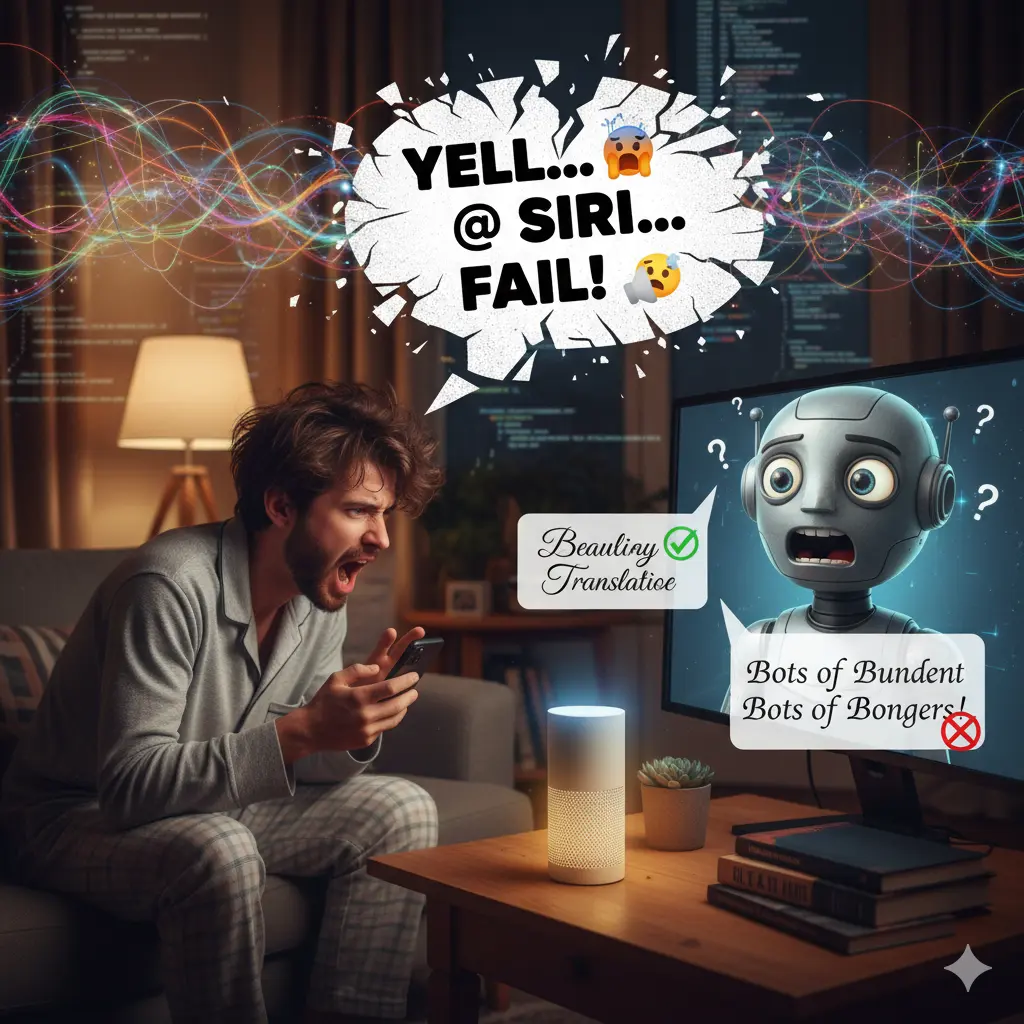
Have you ever yelled at Siri or Alexa because they didn’t understand what you said? Yeah, that’s NLP at work—and sometimes not working.
Natural Language Processing is basically the field that tries to teach computers to understand human language. Notice I said “tries.” Because human language is a mess. We don’t just say words; we imply, we joke, we use sarcasm. And poor machines… they don’t always catch on.
My First Encounter with NLP
Years ago, I was building a small chatbot for a project at university. The bot was supposed to answer simple questions about library hours. Easy, right? Except, people never asked, “What are the library hours?” They said things like:
-
“Hey, is the library still open?”
-
“Can I swing by late tonight?”
-
Or my favorite: “Yo, when does the book cave shut?”
The bot failed miserably. It gave robotic responses, sometimes with a cheerful “Hello!” in completely wrong contexts. I laughed, but I also realized: natural language is chaotic.
NLP in Real Life
Today, NLP powers translation apps, voice assistants, spam filters, even that autocomplete in your messages. And sometimes, it’s brilliant. Google Translate has saved me more times than I can count—especially when I was lost in Bangkok and needed to explain “vegetarian food, no fish sauce” to a street vendor.
But it’s not perfect. I once asked Google Translate to turn a Bengali phrase into English for a friend, and it came out sounding like Shakespeare after three espressos. Beautiful, but hilariously wrong.
The Emotional Side
What I love about NLP isn’t just the tech. It’s the attempt. The idea that we’re teaching cold machines to grasp warmth, irony, nuance. It’s like watching a toddler learn to talk—frustrating, funny, and sometimes oddly touching.
Where It’s Heading
The exciting part is how NLP connects with LLMs. LLMs give the fluency, NLP gives the structure. Together, they’re building this bridge between human messiness and machine logic.
Will it ever be perfect? Probably not. But maybe that’s okay. Maybe the beauty is in the misfires—the times when a chatbot says something so awkward, it reminds you: “Yep, still not human.”
If you’re into tech, watch NLP closely. It’s less about machines understanding us and more about us learning to communicate with them better. And maybe, just maybe, the effort makes us reflect on our own messy, wonderful way of speaking.